
History of Rebels


The History of Rebels
Throughout history rebels have made their presence known, although rebels may be slightly harder to pinpoint than your everyday hero or villain, they are rightfully just as important. Without rebels guiding us through literature, we would not see that it is okay to stand out against the norm. Whilst the history of rebels is a somewhat shaky one, the role of a rebel is something people everywhere have come to respect in film, literature, history, and more. Rebels in literature and other platforms were originally created to show people what not to do. Many societies feared citizens becoming erratic or falling out of line and they began to tell of rebels in stories or films to show what could happen if they veered off the path that had been laid for them. Over time rebels have become a strong symbol of strength and resilience. A guiding light for many young kids to stand up and stand out, rebels teach kids to be bold, daring, kind, and the difference between definitive bad and the type of bad that just might be leading one towards the greater good. Below are some examples of rebels in various forms all telling different stories, with the same general character message.

The History of Rebels in Mythology
Rebels have been present throughout both Greek and Roman mythology. One example of a rebel in Greek mythology is Cronus. Cronus is correlated with the planet Saturn and the son of Uranus and Gaia. Gaia's youngest children were locked away deep within the earth by Uranus. This frustrated Gaia and she began questioning whether her other children would be willing to castrate Uranus in order to free her children. Cronus was willing and succeeded. During the period Cronus reigned the world was full of morality. However, Cronus became somewhat of an anti-hero as when his children threatened his reign he ate them. The notion of mythological rebellion can be seen today in children's books such as Percy Jackson and the Lightning Thief.

The History of Rebels in Theatre and Film
Rebels can be traced back many years in the history of theatre. Many rebellious characters can be seen in the works of Shakespeare, a prime example are the characters of Romeo and Juliet, lovers forbidden from one another due to the differences in their families, but always knowing that love is more important than such trivial matters. This classic piece of theatre showcases rebellion at its finest and most naive. The story of Romeo and Juliet has retold and remade countless times. One children's book that tells the story of Shakespeare and holds the theme of his rebellious characters is the children's book Magic Treehouse: Stage Fright on a Summer Night. The Magic Treehouse books are fictitious, but entail bits of non-fictitious pieces of information to both intrigue and educate a young reader. Additionally, in an even more contemporary form, many Disney princesses exhibit rebellion throughout their stories. Although they usually come in to save the day, they do not always start as heroes, they rebel against evil stepmothers, social norms for women, stubborn fathers, and more.


The History of Rebels in World Literature and American Literature
Rebellion can be seen around the world, even in subtle forms such as Winnie the Pooh. Winnie the Pooh imagined and written by English author A.A. Milne reflects slight tones of rebellion, by teaching Christopher Robin and his Hundred Acre Woods friends rather progressive ideas that would not necessarily have been expressed by parents to children at the time these stories were written. Winnie the Pooh is a lazy bear, which many parents would not have promoted to their children as being an okay trait at all, though relaxation and self-care is an important lesson taught by Pooh himself. Alternatively, one more intense representation of rebellion in American Literature is the character of Atticus Finch in To Kill a Mockingbird. Atticus embodies a rebel in many ways, at the time being a white male defending a black man was unheard of which is clearly exhibited in this book. Atticus Finch went against every social norm that was expected of a white male, boldly ignoring what the Jim Crow laws at the time would've expected of him.

The History of Rebels in Comics
On a general scale, rebellion is what comics are made of. Throughout the 20th century, comics were used as a way to make light of things going on in the world. During wars, during civil rights, and throughout many other turning points in history, comics were used to poke fun at the current situations. Comics were used to push ideas that may have otherwise seemed outlandish and intense. Comics tested the waters of morality in situations built on fear and inequality. Garfield is one example of a lighthearted rebellious character seen throughout comics for both children and adults. Garfield is a sneaky, sassy cat who either does absolutely nothing or goes on adventures with his frenemy/brother Odie the dog.
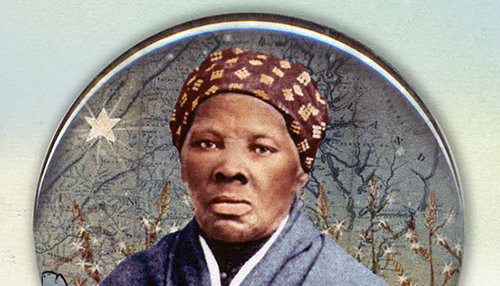

The History of Rebels in Non-Fiction
Creating History: 21st Century Rebels
Today, there are many people creating an even more vibrant history for the role of the rebel in our society. The Hunger Games has become one of the best-known books symbolizing rebellion in children's/young adult literature. Additionally, non-fictitious examples can be seen in people that many around the world are coming to know such as Malala Yousafzai, a young Pakistani girl nearly killed for her actions of challenging the norms for education in her country. Greta Thunberg, a young girl known for speaking her mind and fighting to save the earth to reverse some of the effects of climate change.